The Truth Behind Potency: Why THC Alone Doesn’t matter
For years, potency has been reduced to a single number: THC percentage. This number has been presented as a definitive measure of strength. It’s simple, legible, and easy to compare. However, it’s also incomplete.
What we experience from cannabis is not dictated by THC alone, but by a broader chemical architecture, one that unfolds through the interaction of cannabinoids, terpenes, freshness, and individual physiology. Potency, in its truest sense, is not a number. It’s a relationship.
Beyond THC: A More Complete Profile
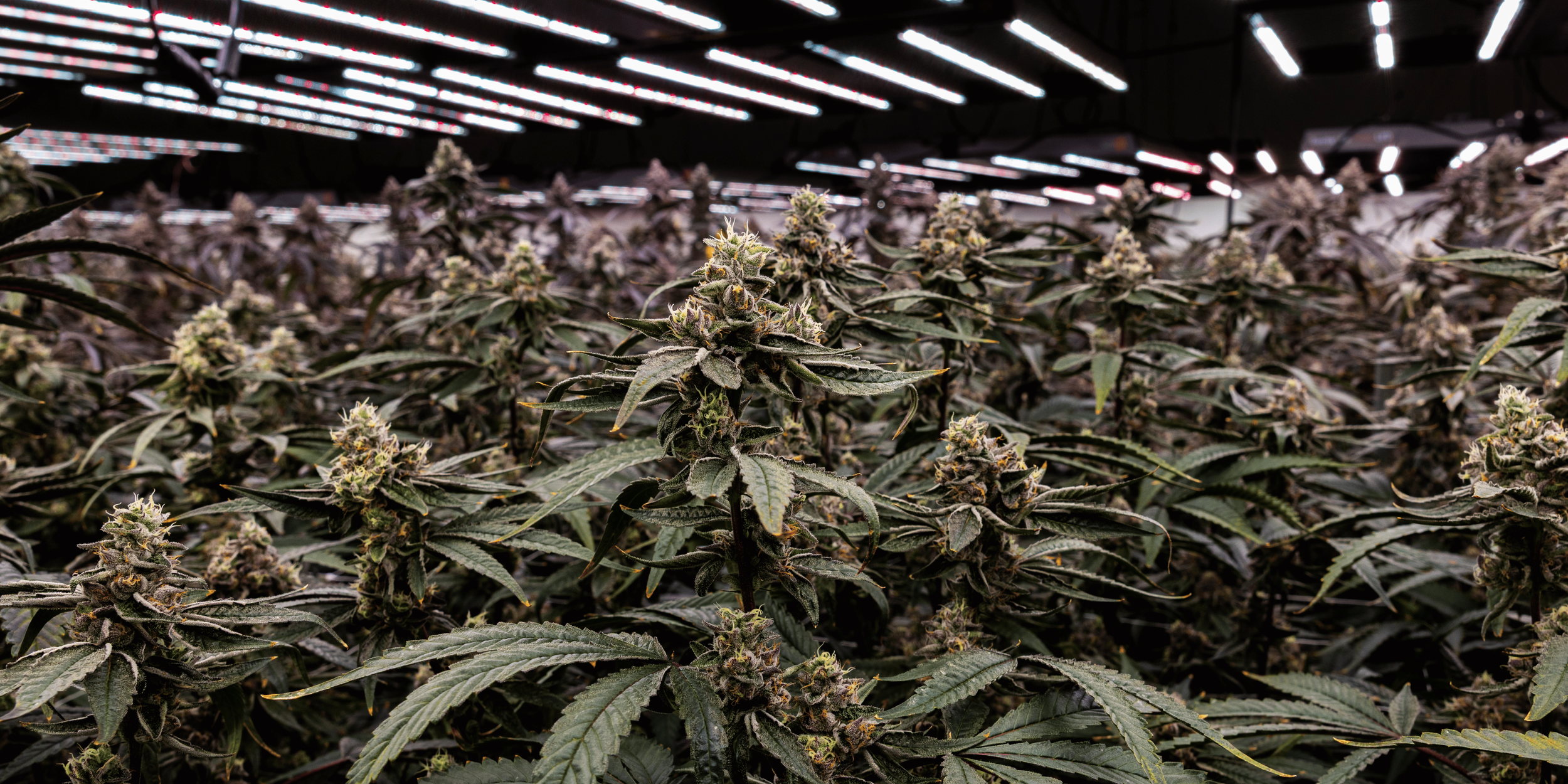
THC is often treated as the central actor, but it exists within a wider system of compounds that shape how a strain is perceived.
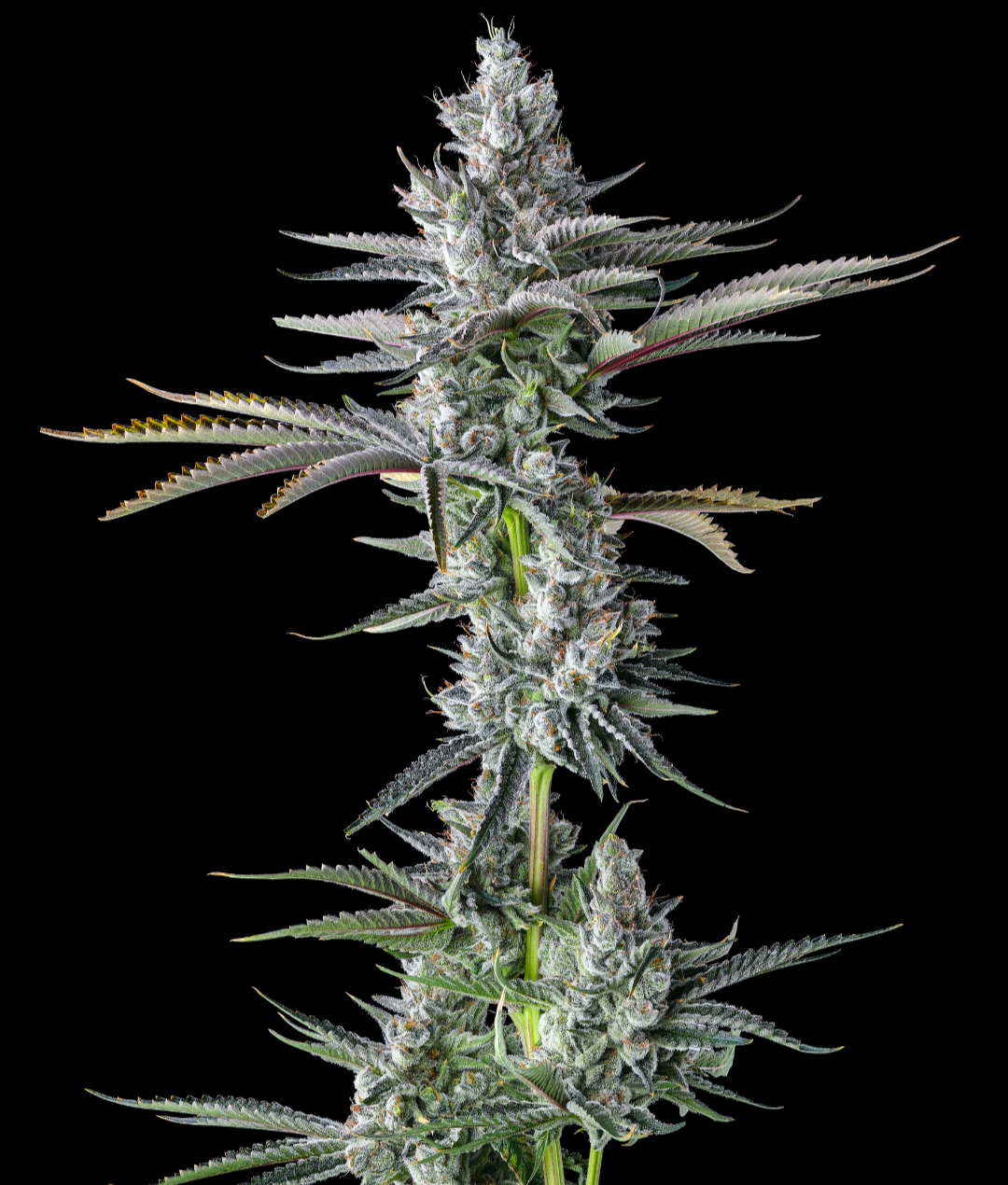
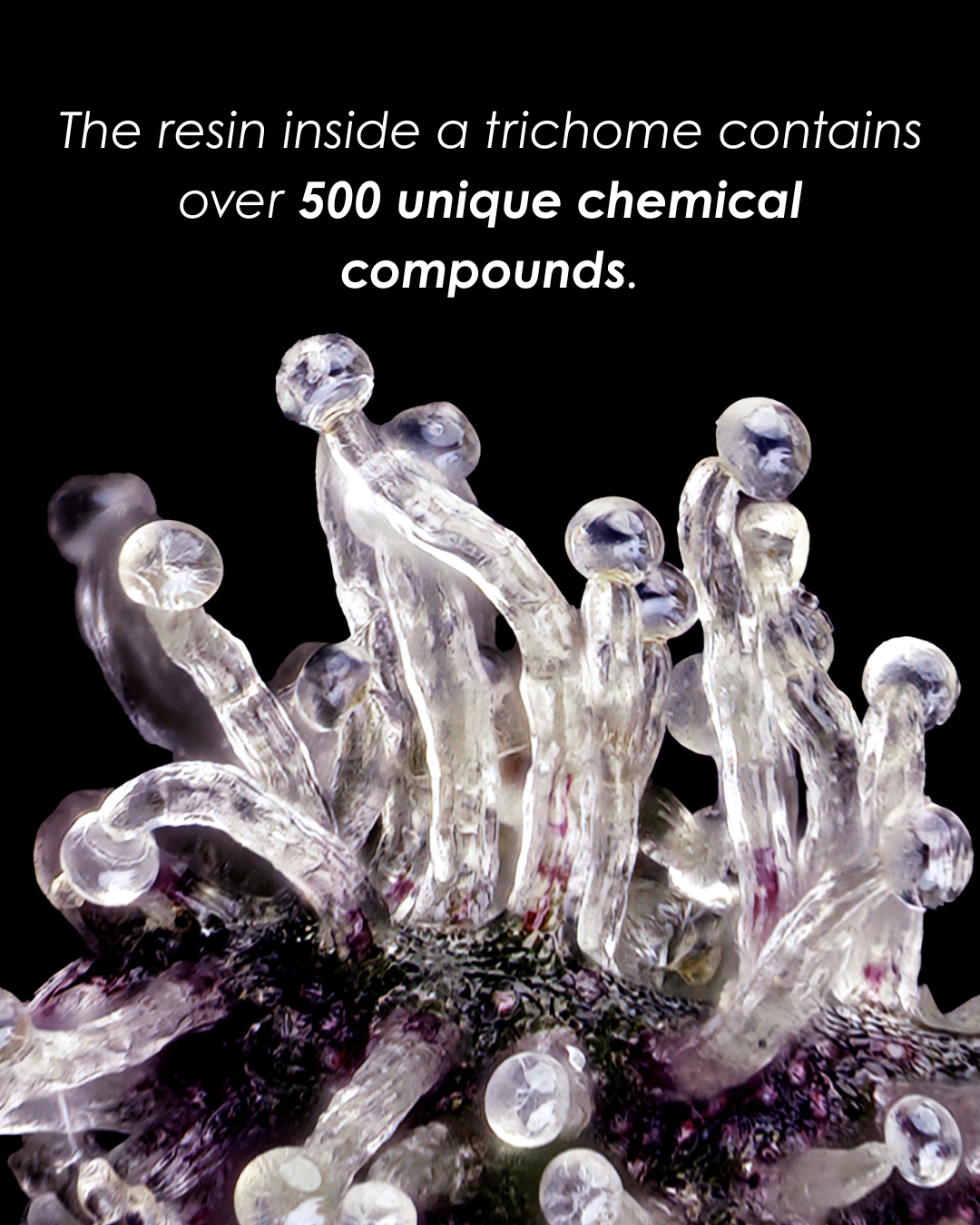
There are over 100 detectable cannabinoids in cannabis, all of which play a role in either the potency or effects of any particular strain. Alongside them, a myriad of compounds called terpenes introduce not only aroma and flavor, but influence how the effects are interpreted: whether something feels bright or heavy, expansive or contained.
A high-THC strain can feel flat if the surrounding profile lacks dimension. Conversely, a more balanced composition, one with a variety of cannabinoids and terpenes that are working in concert, can produce an experience that feels more complete, more nuanced, and, in many cases, more potent in effect. Think of it like eating a spoon full of sugar vs eating a cake. The spoon of sugar may certainly be sweeter, but the enjoyment of eating a slice of cake will be far greater.
The Entourage Effect: Potency as Interaction
This interplay is often referred to as the entourage effect—the idea that cannabis compounds do not operate in isolation, but in coordination.
Rather than thinking in terms of a single dominant molecule, it’s more accurate to think in terms of structure. In this context, potency becomes less about intensity and more about cohesion. A well-constructed profile can feel more impactful than one that simply pushes THC higher without regard for balance.
Freshness: The Overlooked Variable
Even the most carefully cultivated profile is not static.
Cannabinoids and terpenes are volatile. Over time, they degrade—THC converting into less active compounds, aromatic elements dissipating, the overall expression becoming muted.
This is where freshness becomes critical.
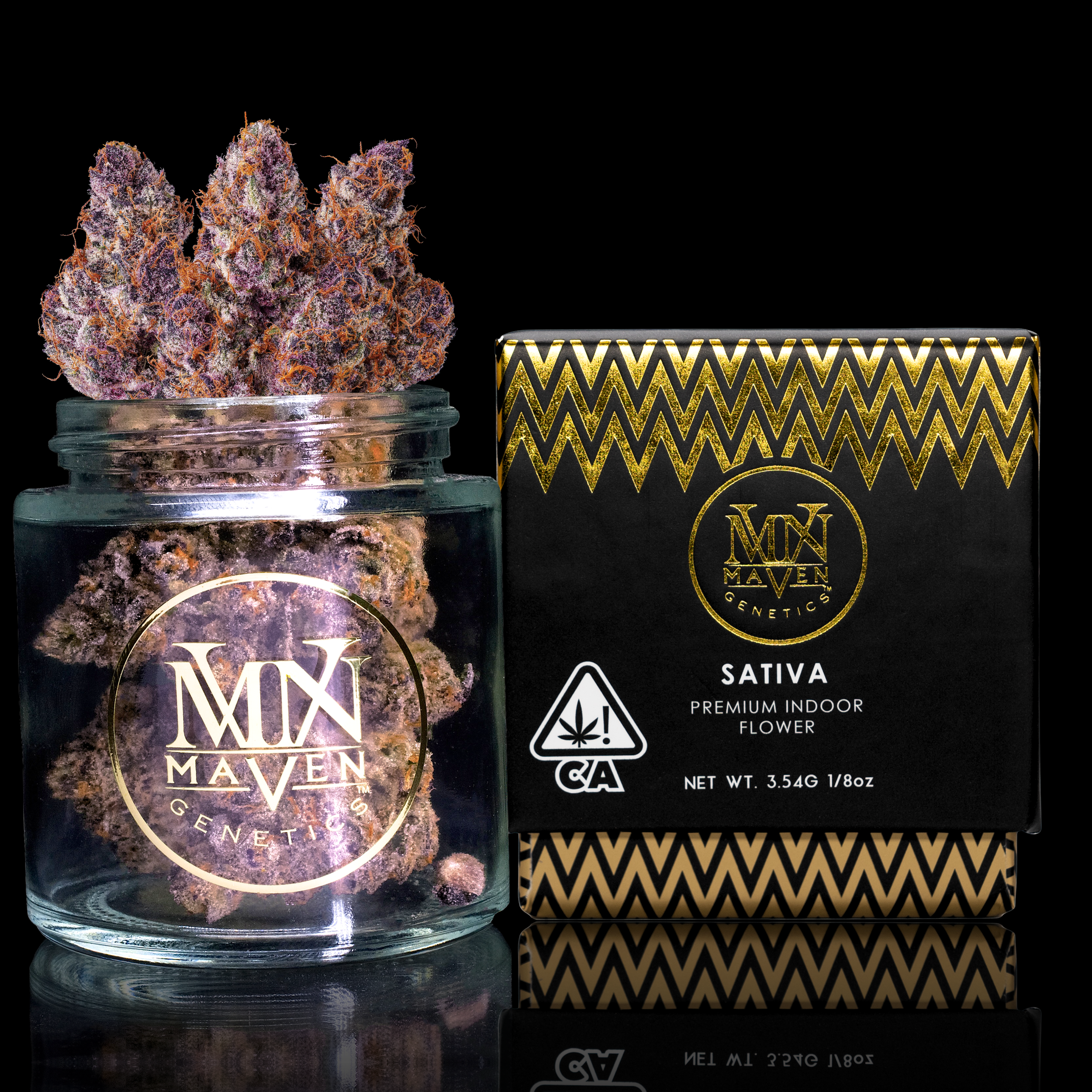
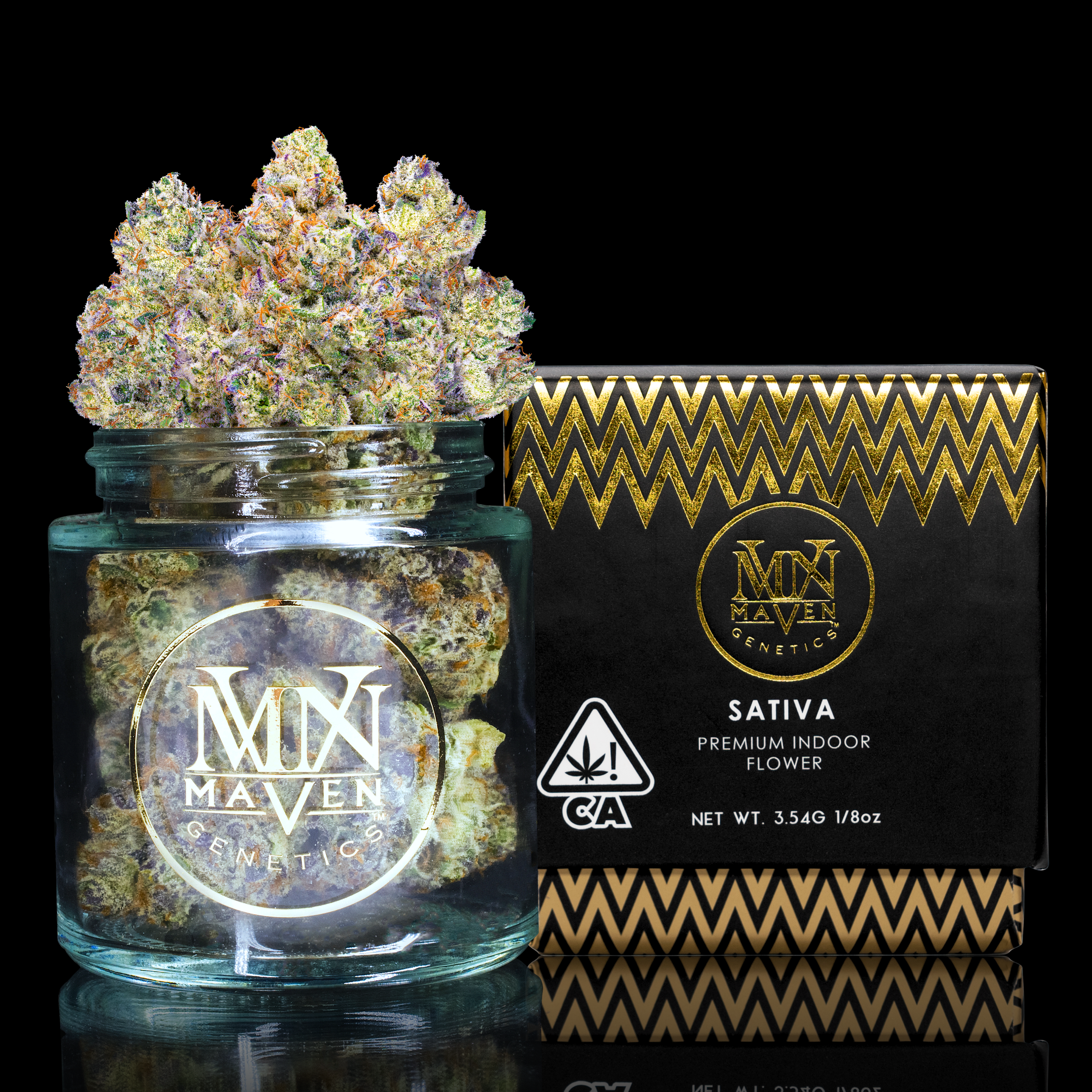
A recently harvested and properly stored flower will often feel more vivid, more defined, and more potent than an older product with a higher listed percentage. The difference is not theoretical, it’s immediately perceptible in both aroma and effect. At Maven, this is treated as a foundational principle. From post-harvest handling to long-term storage, and through to the final packaging, the goal is preservation of the plant’s original integrity. Our jars are selected not just for presentation, but for their ability to maintain that profile over time and protect both cannabinoids and terpene expression from unnecessary degradation.
Individual Chemistry: The Variable You Bring With You
No two people experience cannabis in exactly the same way.
Each individual’s endocannabinoid system responds differently to cannabinoids and terpenes. What feels clear and functional to one person may feel heavy or introspective to another. A terpene that reads as bright and uplifting in one context may register as sharp or overstimulating in another.
This variability further complicates the idea that potency can be standardized through a single metric. The same strain, at the same percentage, can produce entirely different experiences depending on the person.
Understanding this shifts the question from:
“What’s the strongest option?”
to:
“What actually works for me?”
How Maven Approaches Potency
Rather than optimizing for THC in isolation, our approach centers on selection, balance, and preservation.
Pheno Selection: Choosing expressions that demonstrate not just strength, but structure—where aroma, flavor, and effect align cohesively.
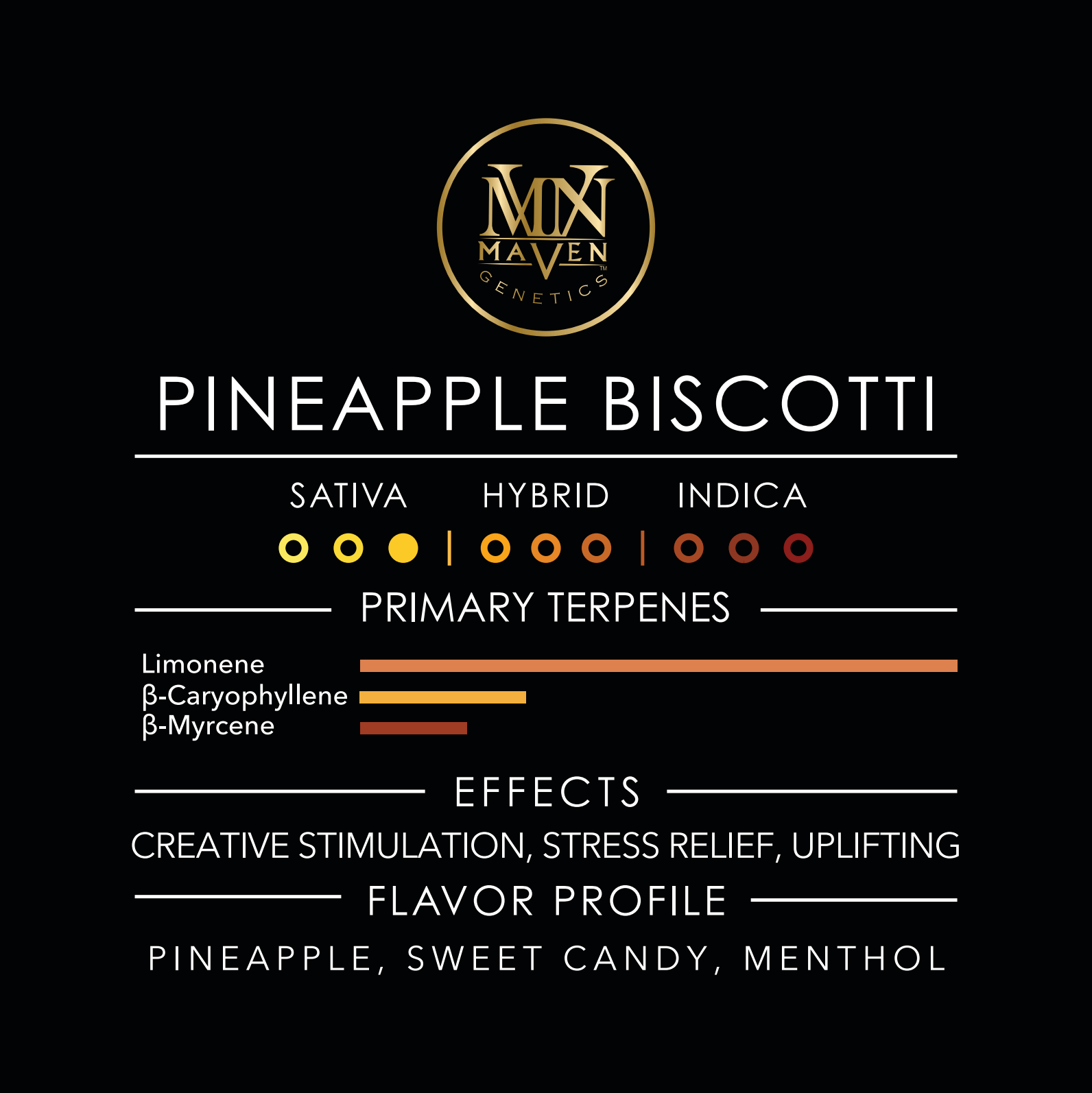
Terpene Transparency: We include strain cards in every jar that detail the genetics of the strain, along with the dominant terpene profile, offering a clearer lens into what defines the experience.
Freshness as Standard: We carefully maintain the environmental controls in our storage facility and ensure that our jars are airtight in order to protect the integrity of the flower from harvest through consumption.
Rethinking How You Shop
If THC percentage isn’t the full story, the question becomes: what should you look for instead?
1. Prioritize Freshness
Check when the product was harvested or packaged. A fresher batch will almost always deliver a more defined and impactful experience. Assuming that it has been stored properly since its harvest, cannabis will be most potent within three months of when its been cured and jarred. With proper storage, the rate of degradation of terpenes and cannabinoids can be significantly reduced, but generally speaking you still want to look for cannabis that’s no older than six months if you’re looking for potency.
2. Pay Attention to Terpenes
Terpenes offer insight into both flavor and effect. Over time, patterns begin to emerge, certain profiles that consistently resonate with you. It is very possible to receive a more potent, more pleasant high from a strain testing at 20% THC that has a terpene profile that resonates with you, than a strain testing at 30% THC that does not.
Resources like Leafly and GrowDiaries can help map terpene profiles across different strains, while our website’s Strain Library provides all of the terpene profiles for our strain lineup.
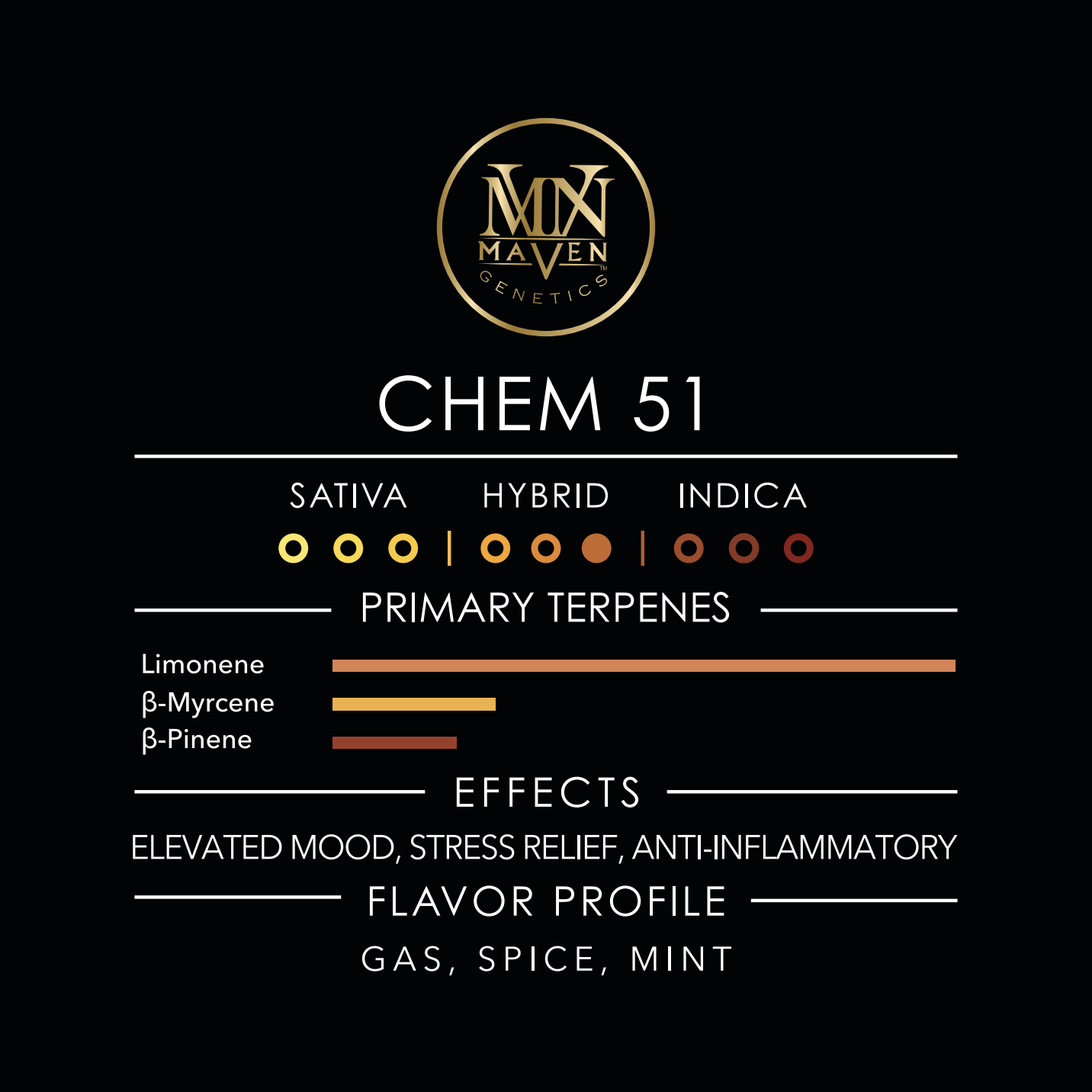
3. Track Your Experience
A simple journal can be one of the most effective tools:
Strain name
Dominant terpenes
Genetics
How it felt (onset, duration, overall character)
Over time, this builds a personal reference point that’s far more valuable than chasing percentages.
A More Accurate Definition of Potency
Potency is often mistaken for intensity alone. In practice, a cannabis high has far more nuance than simple intensity. Duration, dimension, intensity, whether your high is a body high, a head high, or some amalgamation of the two, all play into the perceived potency of a strain.
A strain that expresses its profile fully, where aroma, flavor, and effect align, will often feel more “potent” than one that simply measures higher on paper.
THC is part of that equation. But it is only one part.
Understanding the difference is where the experience begins to change.